“I try to paint a feeling or a mood, through light, shadow and texture, not just a picture. If I can give someone a moment of escape from the everyday world through a painting, then we’ve shared something and that’s important.”
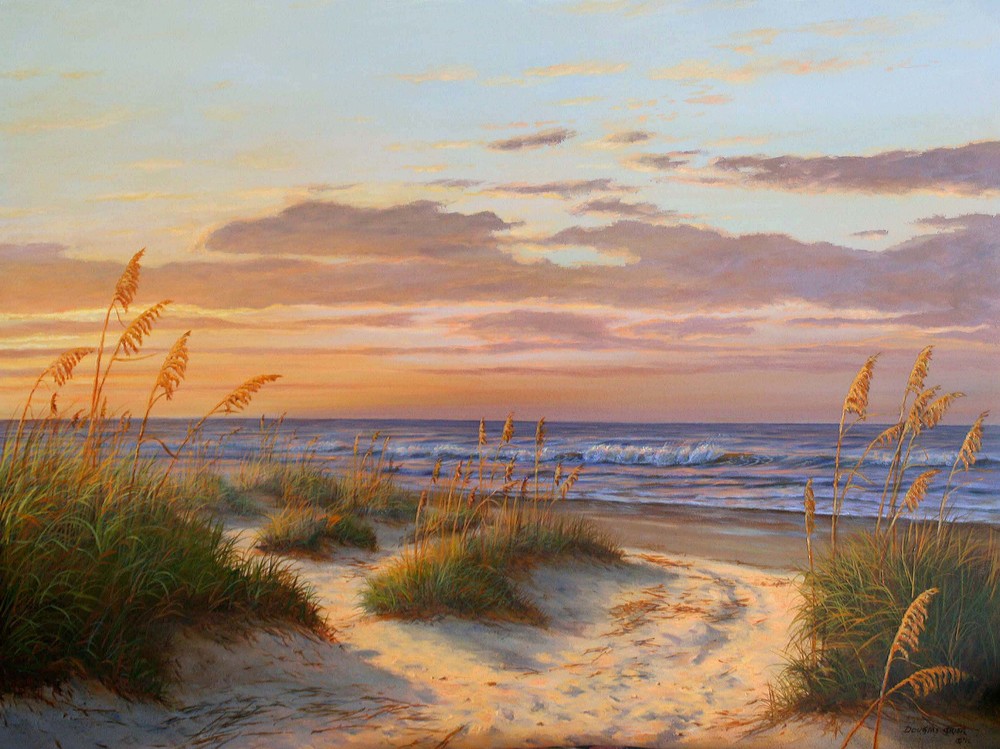

“I try to paint a feeling or a mood, through light, shadow and texture, not just a picture. If I can give someone a moment of escape from the everyday world through a painting, then we’ve shared something and that’s important.”
Giclee on canvas
Limited edition of 150
Signed & numbered by the artist
Image Size: 11" x 15"
Giclee on Paper
Limited edition of 300
Signed & numbered by the artist
Image size: 12" x 17"
Giclee on Canvas
Limited edition of 150
Signed & numbered by the artist
Image size: 21 1/2" x 31 1/2"
Giclee on Paper
Limited edition of 300
Signed & numbered by the artist
Image size: 12" x 16"